Gen Y (1981–1996) and Gen Z (1997–2012) grew up with the Internet, smartphones, and social media. For them, e-wallets, mobile banking, and “buy now, pay later” are not trends — they are simply part of modern life.
According to UnaFinancial, fintech adoption in Southeast Asia is expected to reach 60% by 2030, up from 49% in 2024. Gen Y and Gen Z will contribute nearly 80% of new users, highlighting the immense influence of these two generations.
Beyond embracing technology, young users are also setting new standards for financial services: fast, transparent, seamless, and personalized. They seek “all-in-one” platforms where they can pay, save, borrow, invest, and get insured with just a few taps. This mindset is driving the growth of next-generation fintech platforms that allow users to manage their finances within one digital ecosystem.
The rise of fintech not only improves convenience but also breaks down long-standing barriers to financial access. Through digital payment apps, users are now accustomed to paying electricity bills, water bills, Internet, or tuition fees without cash.
In lending, fintech expands access to credit — especially for younger individuals and low-income groups who struggle to obtain loans from traditional banks. Fast approval processes, small loan sizes, and flexible terms help many people cover urgent expenses without turning to high-risk informal lending.
A TransUnion report shows that 50% of Gen Z plan to apply for new credit in 2024, and half of those earning below 5 million VND per month prefer to borrow through fintech platforms. This clearly demonstrates how technology is driving financial inclusion across the region.
In the past, young people were often perceived as impulsive spenders. Today, they are far more proactive and structured in managing their finances. A SingSaver survey found that 85% of Gen Z began saving and investing before the age of 22.
Many start small: saving 100,000 VND per month, buying micro-insurance, or investing in flexible digital products. They view wealth accumulation not only as a safety net but as a pathway toward financial freedom — where every small contribution matters when managed effectively.
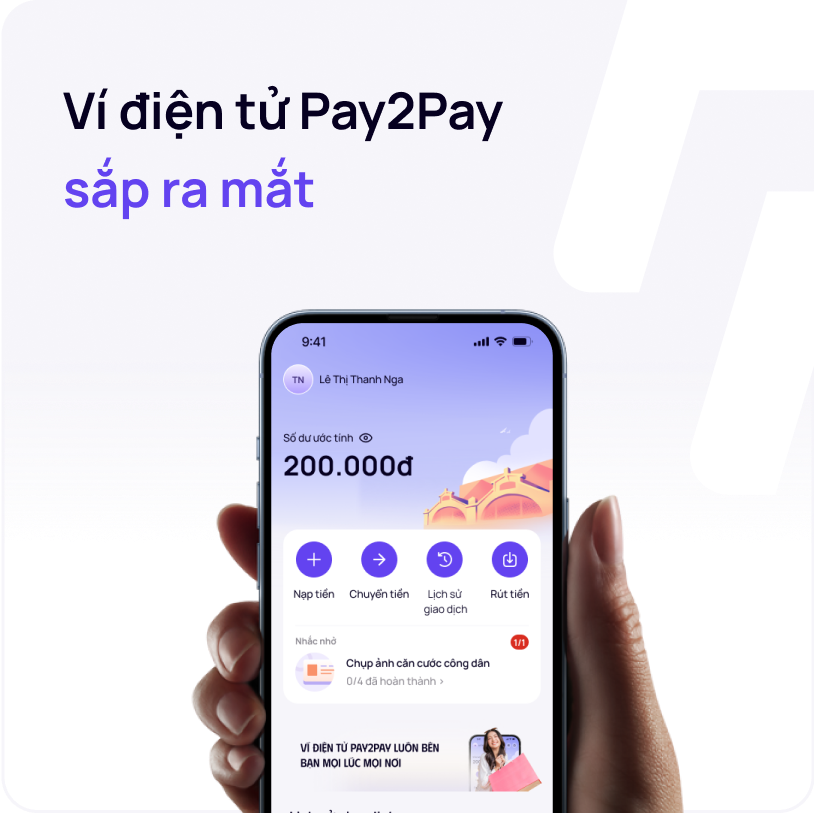
Amid the strong fintech momentum in Vietnam, various platforms are innovating to keep up with user needs. Among them, Pay2Pay stands out as a flexible payment platform built on simplicity and transparency.
Solutions such as payment gateways, collection–disbursement services, Payment Links, and e-wallets empower businesses and users to manage cash flow efficiently, process transactions quickly, and fully automate payment workflows.
Instead of handling manual transfers or multiple steps, Pay2Pay allows everything to be automated. This enables young users to manage money faster, clearer, and more securely — perfectly aligned with today’s digital lifestyle.
Gen Y and Gen Z are not just users — they are redefining the entire digital finance landscape in Southeast Asia. They are setting new expectations where technology does more than enable transactions; it helps individuals understand, control, and grow their finances.
With the rise of fintech and platforms like Pay2Pay, financial management is becoming simpler and more transparent. Users can better track spending, transact securely, and take greater control of their finances — building strong, flexible financial habits for the future.